March 26, 2026
In the modern business environment, commercial glass plays a pivotal role in shaping functional, aesthetic, and sustainable spaces. Glass has evolved from being a simple architectural material to becoming a cornerstone in design and functionality. Its applications in commercial settings have seen significant advancements, underlining its relevance and indispensability. Business spaces today demand a blend of innovation, aesthetics, and efficiency, all of which glass delivers. The strategic use of glass can enhance natural light, create a sense of openness, and positively influence the experience of employees and clients alike.
The Role of Aesthetics in Business Spaces
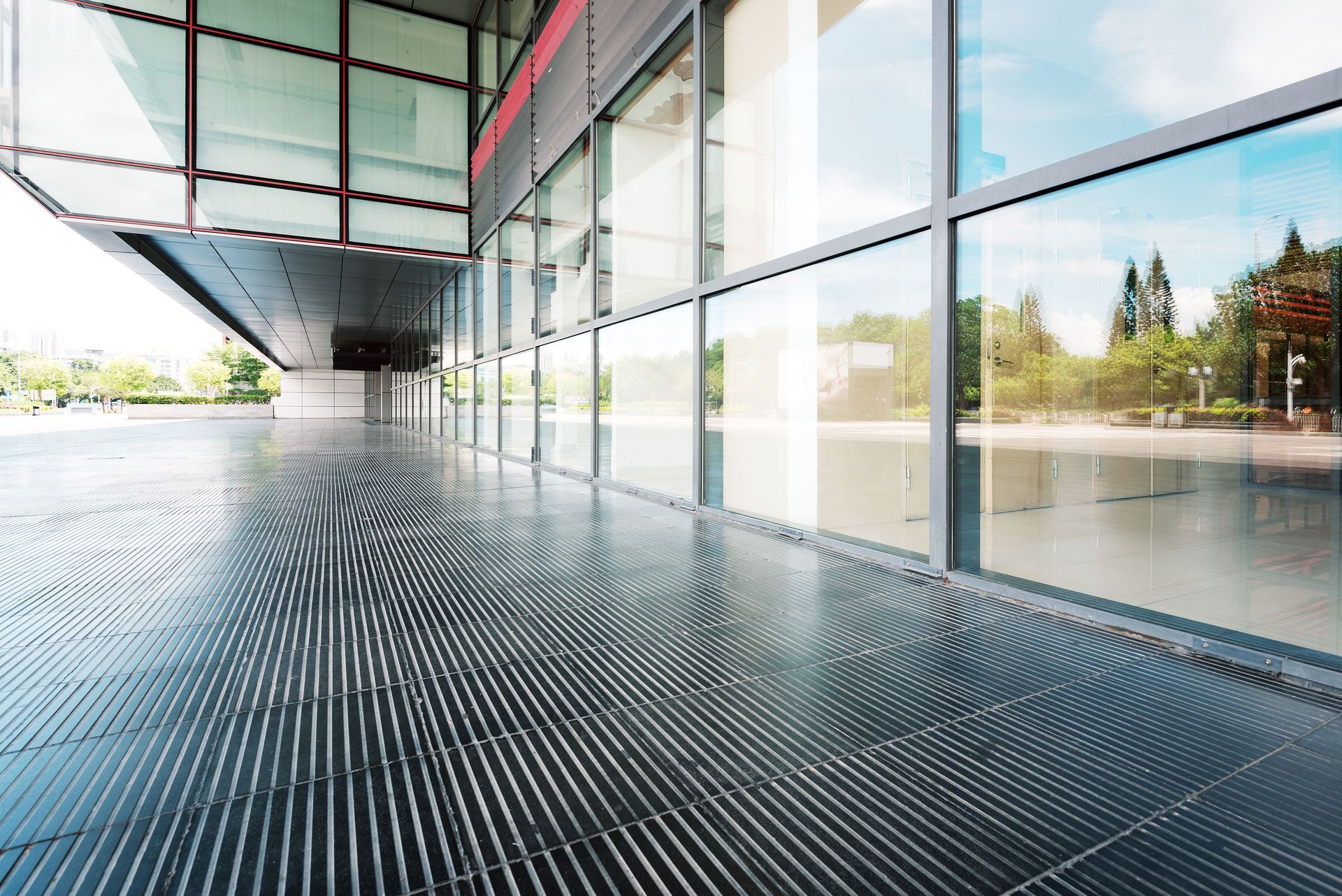
Commercial glass helps establish a sophisticated and professional environment suitable for business activities. With glass partitions and facades, companies can convey an open yet structured atmosphere that fosters professionalism. The transparency of glass can reflect a company's ethos of honesty and openness, resonating with clients and employees alike. Moreover, the sleek, clean lines of glass installations provide a contemporary look that appeals to modern-day consumers. This visual clarity is not just about aesthetics; it also improves the psychological perception of a workspace, making it appear more organized and efficient.
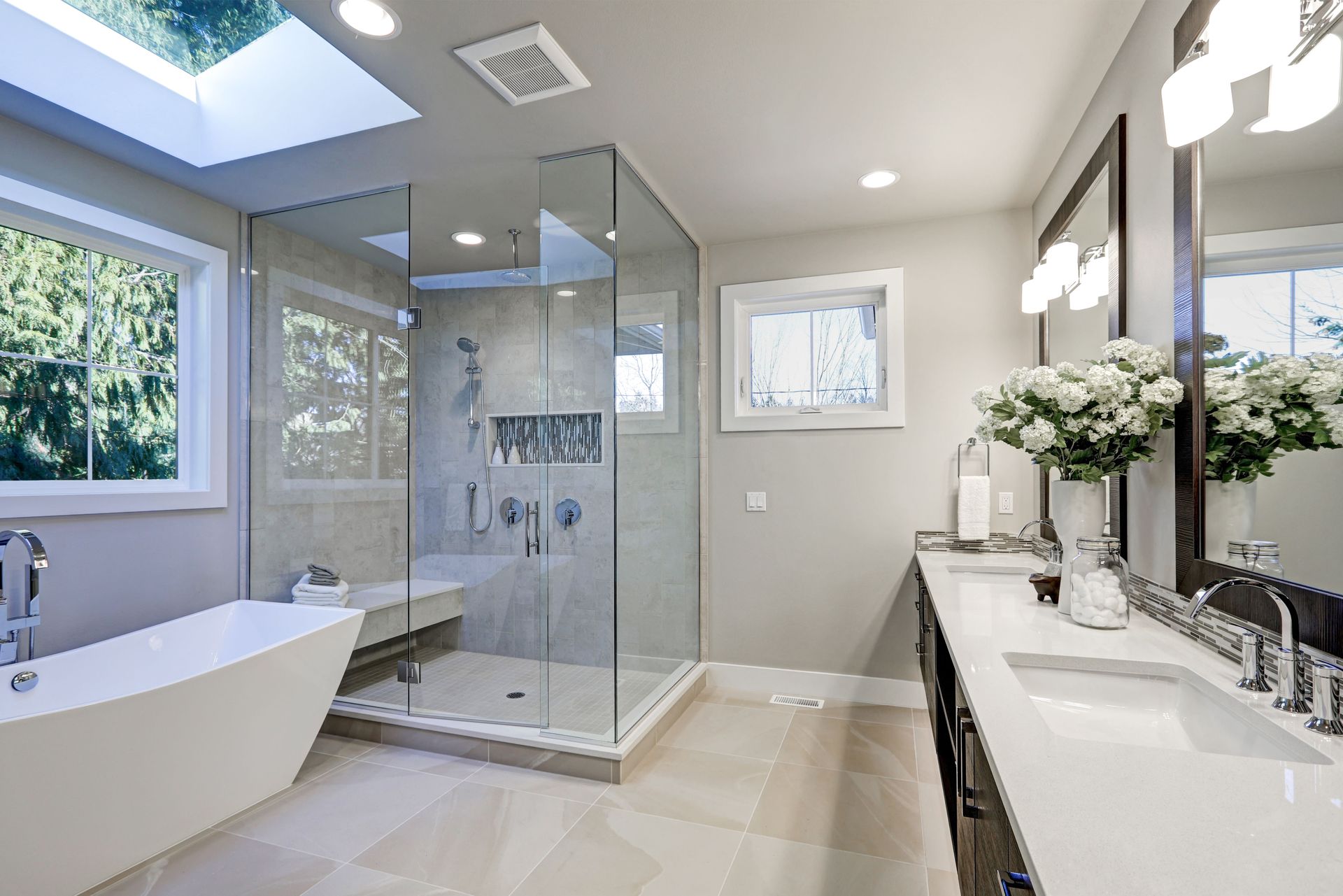
The use of glass maximizes the entry of natural light, contributing to a warm and welcoming ambiance. Natural light has been proven to improve mood, enhance productivity, and reduce energy consumption, creating healthier work environments. Employees working in well-lit spaces are often more productive and report higher job satisfaction. Furthermore, the infusion of natural light into business spaces can significantly reduce the need for artificial lighting, cutting down on electricity usage and costs. This not only benefits the business financially but also supports environmental sustainability efforts.
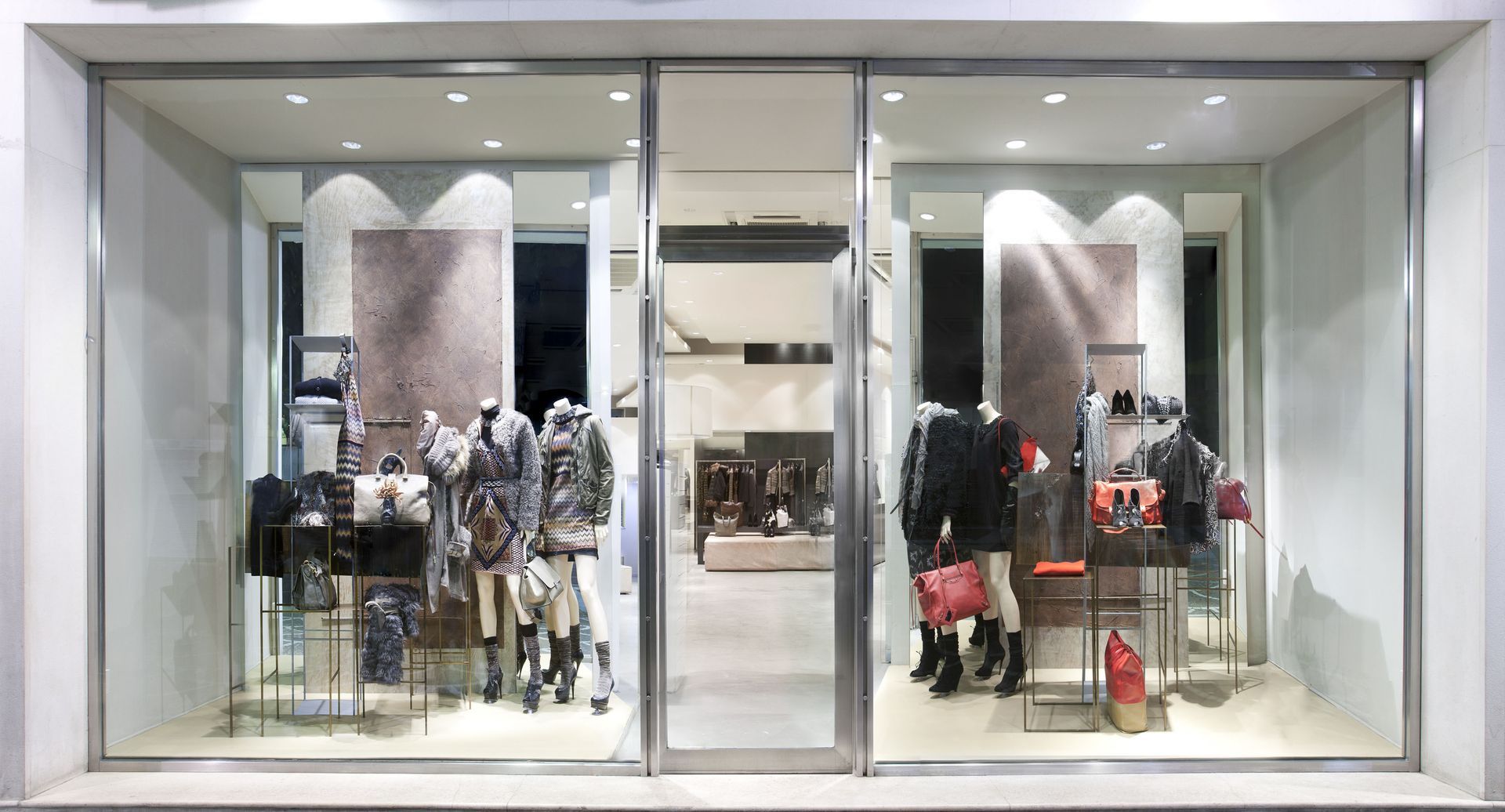
Glass storefronts offer increased visibility, aiding in branding and promotional efforts. According to Gitnux, storefront glass represents 28% of all installations in the commercial sector. Transparent glass facades allow businesses to display products, services, and branding elements effectively to passersby, attracting potential customers. The enhanced visibility can lead to increased foot traffic and, consequently, higher sales figures. With strategic lighting and display settings, glass storefronts can function as live advertisements that operate 24/7. This constant promotion is invaluable in competitive markets where visibility and consumer engagement are paramount.
The Functional Benefits of Glass
Glass allows for adaptable layouts with partitions that can be reconfigured as needed. In dynamic business environments, the ability to adjust workspace layouts quickly is a significant advantage. Glass partitions can be moved or altered with minimal disruption, unlike their more permanent counterparts, such as traditional walls. This flexibility allows companies to efficiently utilize space for both collaborative and private work requirements. Additionally, businesses can scale their workspaces up or down as needed, optimizing resources effectively.
Advanced glass products provide soundproofing options, essential for maintaining privacy in busy environments. In open office settings, controlling noise pollution is crucial to maintaining productivity and focus. Laminated and double-glazed glass options offer superior sound insulation, creating quiet zones within bustling areas. This soundproofing is particularly beneficial in conference rooms, private offices, and meeting areas, where confidentiality is necessary. The innovative design of soundproof glass does not compromise on aesthetics, keeping spaces visually connected while audibly distinct.
Glass solutions include security features that protect businesses from break-ins and accidents. Strengthened security commercial glass can withstand significant impact, deterring forced entry and vandalism. This protective capability is critical for storefronts and ground-floor offices in areas with high foot traffic. Furthermore, many glass options come with shatter-resistant coatings, preventing injury in the event of accidental breakage. These security features do not compromise the transparency and aesthetic appeal of glass, keeping businesses safe without sacrificing design.
The Environmental Impact and Sustainability
Insulated and energy-efficient glass reduces the need for artificial lighting and heating. By optimizing natural light and thermal insulation, businesses can significantly lower their energy consumption. This efficiency not only results in reduced utility costs but also aligns with global sustainability initiatives. Many glass products are made from recycled materials, reducing environmental impact. Utilizing recycled glass conserves raw materials and energy, contributing to a circular economy. This practice supports the reduction of pollution and waste, benefiting ecological balance and conservation efforts. Companies that employ recycled materials in their architecture demonstrate a commitment to environmental stewardship. Additionally, these environmentally conscious choices can enhance a company’s reputation with clients and stakeholders who value sustainability.
The efficiency and insulating properties of glass reduce energy consumption and carbon emissions. By diminishing reliance on fossil fuels for heating and cooling, commercial glass installations contribute to lower greenhouse gas emissions. This reduction is critical in efforts to combat climate change and environmental degradation. Businesses across sectors are increasingly adopting glass solutions to align with carbon footprint reduction targets. The use of commercial glass is not just a design choice but a strategic decision towards environmental responsibility. Furthermore, integrating energy-efficient glass can improve building performance ratings, adding measurable value to commercial properties.
Natural lighting through glass contributes to employee wellness and productivity. Exposure to natural light has been linked to improved mood, alertness, and overall well-being. Employees who work in naturally lit environments generally report feeling more satisfied and motivated. By promoting health benefits, businesses can reduce absenteeism and boost productivity. Creating a conducive work atmosphere that prioritizes employee well-being is increasingly recognized as essential for sustainable business success. Moreover, thoughtfully designed glass layouts can enhance collaboration spaces, supporting better communication and creativity among teams.
The Technological Advancements in Glass Use
Smart glass technology introduces dynamic light control and privacy options. These innovative glass solutions use electrochromic materials that can change transparency or opacity at the push of a button. Such functionality offers businesses the flexibility to adapt their spaces for privacy or increased natural light, depending on their needs. Beyond practicality, smart glass contributes to energy savings by reducing glare and solar heat gain. Companies adopting smart glass can enjoy both modern convenience and environmental benefits as part of their architecture.
Interactive glass surfaces integrate technology into business spaces seamlessly. With touch-sensitive capabilities, glass surfaces can serve as functional displays for presentations, marketing, or customer engagement. This convergence between commercial glass and digital technology is transforming how businesses communicate and interact within their environments. Such integration supports innovative business models and enhances user experiences in retail, corporate, and educational settings. The adaptability of interactive glass enhances it as a tool for both branding and functionality.
Advancements in glass technology include fire-resistant options for enhanced safety. These specially engineered glass products can withstand high temperatures and prevent fire from spreading quickly across glass partitions. Such safety innovations are crucial in protecting assets and human lives in commercial spaces. Fire-resistant glass meets stringent code requirements without compromising on design, providing peace of mind and safety assurance. For businesses, investing in fire-safe materials reinforces a commitment to safety in the workplace.
Glass is indispensable in the design and functionality of modern business spaces. By integrating aesthetic appeal, functional benefits, technological advancements, and sustainability, glass products continue to shape the future of commercial architecture, offering a versatile solution for diverse business needs. Businesses leveraging glass installations enjoy improved work environments, enhanced brand visibility, and sustainable practices. As technology evolves, the role of glass is set to expand further, reinforcing its position as a cornerstone of modern commercial design. Protect your business with professional commercial glass installation and maintenance from Any Glass to enhance safety, functionality, and curb appeal.